High-performance, field-proven CMOS imaging components optimized for Nordic industrial automation, machine vision, and extreme environmental durability.
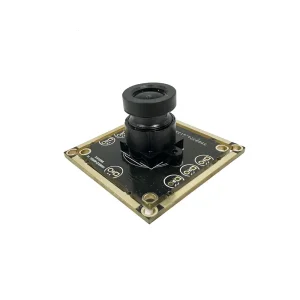
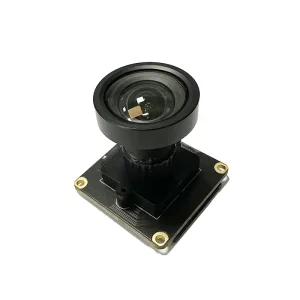
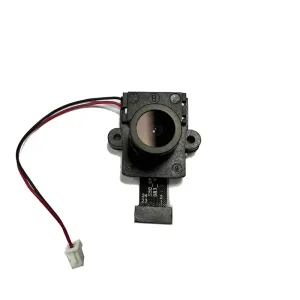
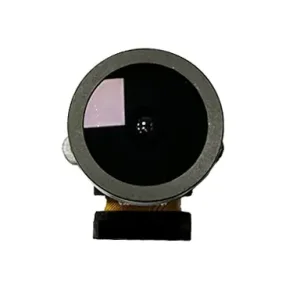
An authoritative analysis of optical engineering, industrial automation demands, and sensor integration benchmarks across Finland and the broader Nordic region.
Finland has long established itself as a global epicenter for advanced engineering, high-tech industrial machinery, autonomous forestry harvesting, maritime innovation, and wireless communication networks. As industrial Internet of Things (IIoT) platforms and Edge Artificial Intelligence (Edge AI) become deeply integrated into Finland's core sectors—ranging from heavy equipment leaders in Tampere to green technology hubs in Espoo and software clusters in Oulu—the requirement for specialized, ruggedized camera modules and precision optical systems has experienced exponential growth.
Globally, the embedded vision market is undergoing a structural transition from basic video capture toward real-time spatial computation and neural inference at the edge. Advanced CMOS image sensors (CIS) featuring global shutters, Back-Illuminated (BSI) stacked pixel architectures, and high-frame-rate MIPI CSI-2 interfaces are replacing traditional legacy cameras. Suppliers providing vision modules to European OEMs must adhere to stringent quality standards, robust supply-chain traceability, and long product lifecycles spanning 7 to 10 years.
Finland's unique climate and industrial matrix demand specialized optical solutions. From timber harvesters operating in arctic forests where daylight hours drop to near zero in winter, to autonomous container handling cranes operating in coastal Baltic sea ports like Kotka and Helsinki, vision hardware faces dual challenges: extreme low-light environments requiring high-sensitivity starlight CMOS sensors and intense glare reflected off snowpack requiring multi-exposure HDR algorithms.
When sourcing camera modules for integration into Finnish machinery, medical equipment, and security infrastructure, hardware teams prioritize five key technical parameters.
For document scanning, automated optical inspection (AOI), and precise robotic grabbing, geometric distortion severely degrades algorithm accuracy. Distortion-free lens configurations utilizing multi-element glass-plastic hybrid optics ensure less than 0.5% TV distortion, maintaining pixel accuracy across the entire field of view.
Rapid thermal transitions cause optical focal shifts due to lens barrel expansion or contraction. Modules engineered for Finland incorporate thermal-compensated metal lens barrels (aluminum/brass alloys) and specialized optical adhesives to guarantee focus stability from -30°C up to +70°C ambient temperatures.
Northern latitudes experience dynamic lighting extremes: harsh reflections off snow cover coupled with deep forest shadows. Starlight-level CMOS sensors featuring multi-exposure HDR algorithms prevent pixel saturation while retaining crucial dark shadow details needed for machine vision analysis.
Modern embedded systems require flexible communication pipelines. Sourcing options must cover USB 2.0/3.0 UVC driverless plug-and-play standards for fast terminal integration, MIPI CSI-2 for low-latency host SoC connections (Raspberry Pi, NVIDIA Jetson, Rockchip), and DVP parallel interfaces for low-cost microcontrollers.
Condensation and moisture ingress are common threats in Scandinavian climates. Hardware modules offer hydrophobic nano-coatings on exterior optical elements, sealed FPC flex connectors, and conformal PCB potting to prevent fogging and electrical short-circuiting during rapid environmental transitions.
Processing high-resolution video streams requires low latency and high bandwidth. Our modules support high frame rates (up to 120fps at 1080P) with integrated hardware ISP (Image Signal Processor) for auto-exposure, white balance calibration, and color matrix corrections directly on-board.
Custom optical hardware engineered to integrate seamlessly into Finland’s core commercial, industrial, and smart infrastructure verticals.
Finland's forest industry is one of the most technologically advanced in the world. Modern timber harvesters rely on ruggedized, high-speed camera modules installed on robotic cutting heads to perform real-time trunk diameter measurement, species classification, and surface defect inspection. Modules fitted with low-distortion lenses and shock-resistant mountings operate continuously despite heavy mechanical vibration, flying debris, and freezing rain.
Cities like Helsinki, Espoo, and Tampere are pioneers in smart mobility (MaaS) and automated traffic orchestration. High-definition 2K and 4MP camera modules featuring starlight night vision and dual IR-cut filter switching are deployed across smart streetlights, bus fleet dashcams, and automated parking gates. They deliver crisp license plate recognition (ANPR) and pedestrian counting even in heavy snowfall and twilight conditions.
Finnish heavy equipment manufacturers lead the global market in underground mining rovers, harbor straddle carriers, and construction equipment. Camera modules installed on these machines provide 360-degree surround-view perception, blind-spot detection, and visual SLAM (Simultaneous Localization and Mapping). Compact 9mm miniature camera modules fit into tight mechanical spaces to inspect hydraulic components and internal gearboxes.
Commercial real estate and residential buildings throughout the Nordic region utilize IoT access terminals and video doorbells for secure keyless entry. Wide-angle 140° motion camera modules and visual intercom modules provide ultra-wide field of view to capture full facial details of visitors standing near door frames, complete with low-power standby modes and instant wake-up triggers.
Anticipating optical engineering trends and next-generation sensor architectures for Nordic technology adopters.
Integration of micro Neural Processing Units (NPUs) directly onto the camera module PCB. This allows primary image segmentation, object detection, and noise filtering to be executed locally before transmitting compressed metadata over low-power wireless or CAN bus networks, drastically reducing system latency and battery consumption.
Miniaturization of SWIR and multispectral camera modules targeting agricultural, forestry, and industrial sorting applications. In Finland, multispectral modules will enable harvesters to analyze wood moisture content and early fungal decay in real-time, while SWIR imaging penetrates dense fog and darkness in maritime navigation.
Shift toward event-based dynamic vision sensors (EVS) that respond asynchronously to changes in pixel intensity rather than full frame captures. This tech eliminates motion blur during high-speed robotic maneuvers, offering microsecond latency and extreme low power consumption ideal for autonomous drones and fast-moving industrial arms.
A step-by-step evaluation framework to mitigate supply chain risks, ensure compliance, and streamline custom prototype development.
Ensure all module components strictly adhere to EU regulations including CE, RoHS, and REACH. For products used in healthcare, forestry, or food packaging equipment, verify that PCB materials and lens barrel plastics are non-hazardous and halogen-free.
Evaluate whether the supplier offers Flexible Printed Circuit (FPC) redesigns, customized pinouts (e.g., matching Raspberry Pi 15-pin vs. 22-pin interfaces), customized lens field-of-view (FOV), and tailored metal bracket enclosures for drop-in mounting into existing structural designs.
Inquire about the factory's quality assurance setup. Every camera module batch must undergo automated Modulation Transfer Function (MTF) testing, high-temperature dynamic burn-in aging (24–72 hours), and vibration testing to guarantee zero dead pixels and consistent optical sharpness upon delivery.
Verify sensor EOL (End-of-Life) roadmaps. Partner with manufacturers who maintain direct relationships with major CMOS foundry suppliers (Sony, OmniVision, Onsemi, GalaxyCore) to guarantee long-term availability for 5 to 10 years without unexpected redesign costs.
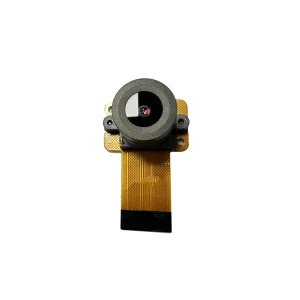
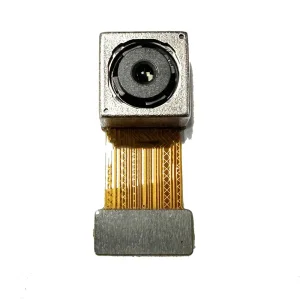
Standard and customizable OEM imaging modules available for rapid sampling, evaluation, and volume distribution in Finland.
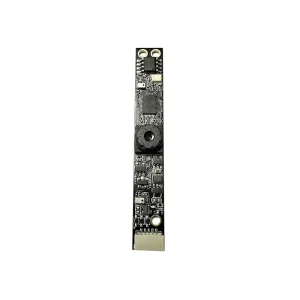
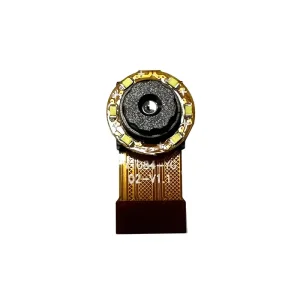
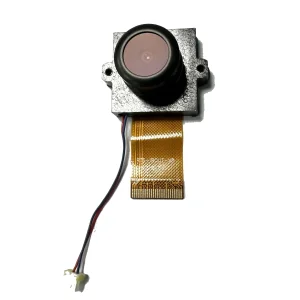
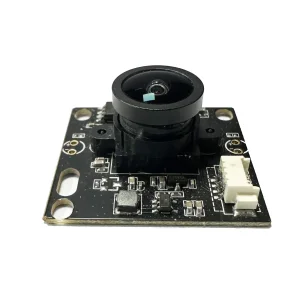
Detailed technical answers addressing logistics, hardware customization, driver compatibility, and cold-weather performance.
Elevate your next-generation equipment with custom optical engineering, strict quality assurance, and reliable global delivery tailored for Finland and Northern Europe.