Direct OEM/ODM camera modules engineered for high dynamic range, minimal lens distortion, and continuous industrial-grade operation.
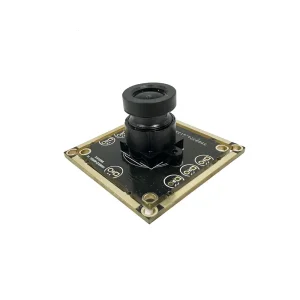
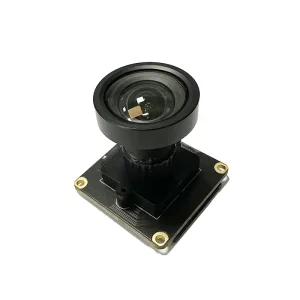
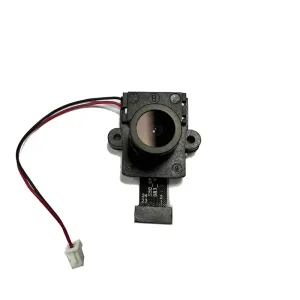
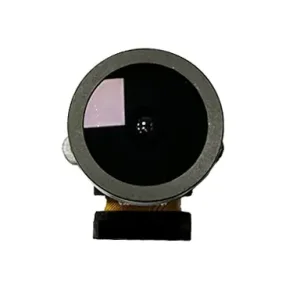
As the economic powerhouse of Northern Germany and home to Europe's third-largest container port, Hamburg occupies a strategic position at the intersection of maritime logistics, commercial aviation manufacturing, microelectronics, and green energy innovation. The Metropolitan Region of Hamburg requires increasingly sophisticated visual hardware to power its **Industry 4.0 transformational roadmap**. OEM camera modules—acting as the primary visual sensors for machine vision systems, autonomous logistics robotics (AGVs), OCR container readers, and smart healthcare diagnostics—have emerged as critical components in modern procurement strategies.
Global buyers and procurement teams looking for **OEM product products & companies in Hamburg** must navigate a complex ecosystem. Local German engineering enterprises excel at system integration, software architecture, and high-level industrial automation. However, to maintain competitive bill-of-material (BOM) costs and leverage ultra-rapid optical iterations, Hamburg systems integrators rely heavily on deep tier-1 manufacturing partnerships with specialized OEM camera module manufacturers. This whitepaper provides a holistic analysis of sensor dynamics, embedded interface standards (MIPI CSI-2, USB UVC, DVP), European regulatory compliance, and customized optical engineering workflows designed to meet strict German industrial benchmarks.
Core Procurement Insight: Sourcing OEM camera modules for the Hamburg market demands robust thermal stability (-20°C to +70°C for maritime and outdoor logistics), low optical distortion (<1%), full UVC compliance for Linux/Windows host microprocessors, and long-term lifecycle availability (5–7 years minimum).
Custom OEM camera module configurations engineered for the rigorous operational environments of Northern European enterprises.
The Port of Hamburg utilizes automated gantry cranes, autonomous harbor straddle carriers, and container identification gates. High-frame-rate, global shutter, and wide dynamic range (WDR) USB/MIPI camera modules enable real-time license plate, ISO container code, and defect inspection under fog, rain, and harsh marine light environments.
Hamburg’s thriving medical technology cluster requires precision micro-imaging. Our 9mm ultra-miniature 1080P modules and high-resolution autofocus camera modules are integrated into diagnostic laboratory analyzers, medical endoscopes, automated slide scanners, and point-of-care micro-fluidic testing devices.
With Airbus operating major assembly operations in Hamburg-Finkenwerder, localized tier-1 and tier-2 suppliers mandate zero-defect quality control. Customized 4MP to 13MP high-definition camera modules deliver microscopic surface defect detection for carbon fiber composite materials, micro-welds, and electronic PCB assemblies.
Selecting the appropriate physical and electrical interface is the single most critical decision during the OEM architectural phase. Below is an engineering comparison matrix designed for hardware architects and technical procurement officers in Hamburg:
| Interface Type | Target Host Architecture | Max Bandwidth | Max Cable Length | Primary Hamburg Use Case |
|---|---|---|---|---|
| MIPI CSI-2 | ARM SoCs, NXP i.MX8, NVIDIA Jetson, Raspberry Pi 5 | Up to 2.5 Gbps / lane | < 30 cm (FPC) / GMSL extension | Embedded Edge AI, Autonomous AGV Navigation, Drone Inspection |
| USB 2.0 / 3.0 UVC | x86 Industrial PCs, Windows/Linux Embedded Workstations | 480 Mbps (USB 2.0) / 5 Gbps (USB 3.0) | Up to 3m - 5m (Standard) | Kiosks, Document Scanners, Access Control, Video Conferencing |
| DVP Parallel | Low-cost Microcontrollers (MCUs), STM32, ESP32 | ~80MB/s | < 15 cm | Barcode Scanners, Basic Proximity Sensing, IoT Meter Reading |
| Wi-Fi / Network IP | Standalone Wireless Nodes, Cloud IoT Gateways | 802.11n/ac bandwidth | Wireless Coverage Range | Perimeter Security, Remote Environmental Monitoring, Smart Building |
Reliable OEM manufacturing built on rigorous quality management, environmental safety, and data security mandates.
Deploying electronic components within Germany and the broader European Single Market requires strict alignment with statutory regulations. OEM camera modules produced for Hamburg enterprises undergo thorough verification to satisfy the following frameworks:
Custom Optical Calibration: Every batch undergoes automated MTF (Modulation Transfer Function) curve testing, active alignment (AA) of lens elements, and thermal stress aging to guarantee optical sharpness across variable Northern European operational temperatures.
In-depth answers covering customization options, MOQ, engineering lead times, and software driver integration.
Comprehensive imaging solutions ranging from ultra-compact laptop modules to industrial tablet scanners and vehicular recorders.
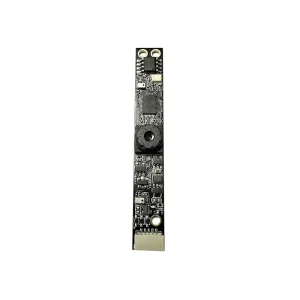
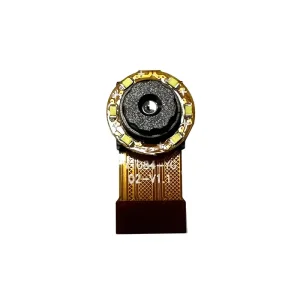
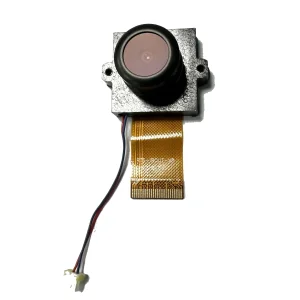
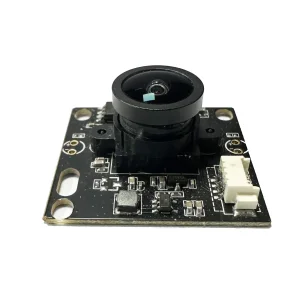
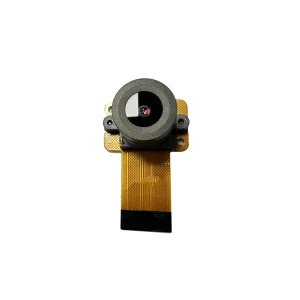
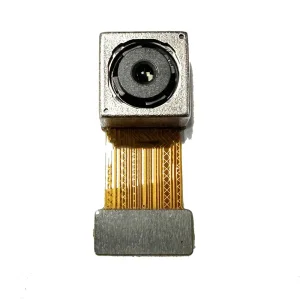
Accelerate your product development cycle with engineer-backed sensor selection, custom lens tuning, and reliable volume production tailored for Hamburg and European industrial markets.
