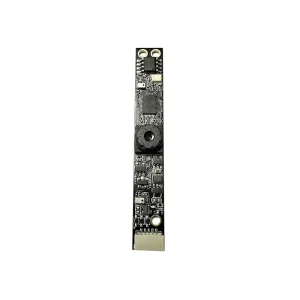
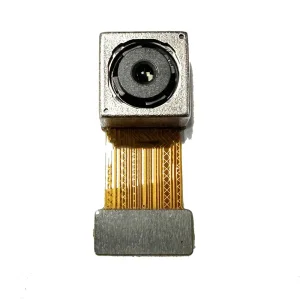
The camera drone sector is currently shifting from simple high-definition capture toward Edge AI-integrated vision systems. As we look to 2026, the convergence of thermal imaging, global shutter sensors, and real-time obstacle avoidance algorithms represents the next frontier.
At YXD, our R&D roadmap focuses on: 1) Reducing latency in wireless transmission protocols; 2) Developing low-power ISP (Image Signal Processor) architectures; and 3) Optimizing low-light sensitivity for autonomous night-flight drones.
Leveraging China's mature manufacturing ecosystem, we have implemented Industry 4.0 standards in our production lines. This includes automated optical alignment, rigorous vibration testing for flight-grade modules, and IoT-driven inventory management. This resilience ensures that despite global volatility, our clients receive consistent, high-yield batches with reduced lead times.
Navigating the global market requires strict adherence to regional standards. Our modules comply with FCC, CE, and RoHS certifications, with specialized firmware options for NDAA compliance in security-sensitive projects. We offer localized technical support to ensure seamless integration into host drone platforms regardless of the operating environment.
We utilize multi-axis vibration testing and thermal cycling to simulate high-altitude and high-speed flight conditions.
Yes, we provide comprehensive driver support and API documentation for major drone SoC platforms.
Thanks to our optimized supply chain, we offer rapid prototyping (2-4 weeks) and stable mass production ramp-up.
The procurement of camera drone modules is no longer just about selecting a sensor; it is about selecting a strategic engineering partner. Our E-E-A-T (Experience, Expertise, Authoritativeness, Trustworthiness) approach is the foundation of our business model.
Our engineering team comprises veterans with over a decade of experience in CMOS sensor calibration and micro-optical design. We understand the nuances of lens distortion in wide-angle drone photography and implement proprietary correction algorithms that save our clients significant post-processing time. By controlling the lens-to-sensor distance with micron-level precision, we ensure every unit meets the highest optical standards.
In the crowded world of camera module manufacturing, we differentiate by providing actionable technical data. Instead of providing raw specs, we offer white papers on sensor thermal dissipation and EMI shielding strategies specific to drone hulls. This knowledge sharing acts as an "Information Gain" for our B2B partners, accelerating their time-to-market and reducing costly design iterations.
We recognize that global enterprises require more than just a component; they need a partner capable of managing complex logistics and quality control (QC). Our QC process utilizes 100% automated optical inspection (AOI) to eliminate human error, ensuring that every drone module shipped from our Shenzhen facility maintains the performance profile agreed upon during the prototyping stage. Our long-term relationships with Tier-1 sensor suppliers allow us to provide pricing models that scale effectively with your production requirements, ensuring both cost-efficiency and supply continuity.
The landscape of unmanned aerial vehicles (UAVs) is shifting toward autonomy. Whether it's agricultural drones needing multispectral vision or industrial inspection drones requiring ultra-low latency streaming, we are developing the interfaces of tomorrow. Our modular approach—standardizing PCB footprints while allowing for sensor swaps—gives your engineering team the flexibility to upgrade cameras without replacing the entire flight control architecture. This modularity is a critical cost-saving asset for enterprise fleets undergoing periodic technology refreshes.
In summary, choosing YXD as your China Camera Drone exporter means gaining a technical partner that prioritizes quality, reliability, and innovative engineering. We invite you to contact our technical team to discuss how our specialized camera modules can elevate the performance of your drone hardware systems.