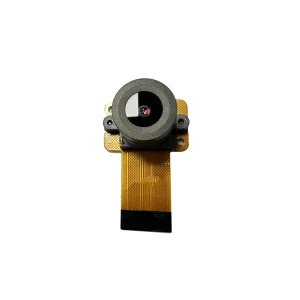
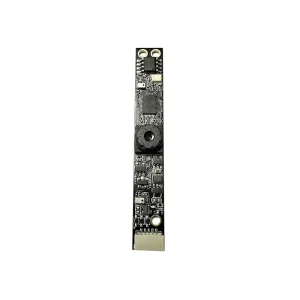
High-precision optical modules and imaging hardware engineered for commercial, medical, and industrial vision applications.
Strategic analysis for global B2B buyers, distributors, healthcare institutions, and private-label optical exporters.
The global demand for contact lens cleaning solutions and precision lens care products is experiencing unprecedented expansion. Key catalysts include the surge in global myopia prevalence, increased adoption of silicone hydrogel contact lenses, and heightened consumer awareness regarding ocular hygiene and microbial keratitis prevention. Institutional buyers are seeking reliable OEM exporters capable of supplying scalable, ISO-certified ophthalmic care products.
When enterprise procurement managers evaluate exporters to buy contact lens cleaning solution products, criteria extend far beyond wholesale pricing. Core requirements center on stringent batch consistency, Sterility Assurance Levels (SAL 10⁻⁶), customized bottle filling volumes (60ml travel size to 360ml economy size), and complete regulatory dossier backing for swift regional import customs clearance.
Leading exporters offer specialized chemical architectures tailored to distinct lens polymers. From Multi-Purpose Solutions (MPS) featuring advanced surfactant systems for daily rub-and-rinse maintenance, to Hydrogen Peroxide-based deep disinfection systems engineered for sensitive eyes and rigid gas permeable (RGP) orthokeratology lenses, solution versatility remains paramount.
An engineering breakdown of active ingredients, antimicrobial efficacy, and corneal safety protocols.
| Functional Class | Key Active Ingredients | Primary Technical Mechanism | Biocompatibility & Safety Index |
|---|---|---|---|
| Disinfecting Agents | Polyhexamethylene Biguanide (PHMB), Polyquaternium-1 (Polyquad) | Disrupts microbial cell membranes without binding to corneal epithelial tissue. Eradicates 99.9% of bacteria, fungi, and Acanthamoeba trophozoites. | ISO 14729 Stand-Alone Disinfection Compliant; low ocular toxicity. |
| Surfactants & Cleaners | Poloxamer 407, Tyloxapol, Pluronic F68 | Lowers surface tension to emulsify and solubilize denatured lipid deposits and environmental particulate contaminants during storage. | Non-ionic, non-irritating to tear film; maintains lens wettability. |
| Chelating Agents | Edetate Disodium (EDTA) | Synergizes with disinfectants by binding divalent metal ions, weakening bacterial outer cell walls and preventing calcium deposit build-up. | Grasp non-reactive agent; prevents lens surface calcification. |
| Tear Film Lubricants | Sodium Hyaluronate (HA), Hydroxypropyl Methylcellulose (HPMC) | Creates a viscous, moisture-retaining matrix across the lens surface that reduces shear stress during blinking. | Bio-identical viscoelasticity; retains up to 1000x its weight in water. |
| Buffering & Tonicity | Boric Acid, Sodium Borate, Sodium Chloride | Maintains physiological pH (7.2 – 7.6) and osmolality (280 – 310 mOsm/kg) matching natural human lacrimal fluid. | Eliminates osmotic shock and stinging sensation upon lens insertion. |
Advanced contact lens care formulations must pass rigorous microbial challenge testing. Modern multi-purpose solutions integrate dual-disinfection mechanisms combining PHMB and Myristamidopropyl Dimethylamine (MAPD). This synergistic combination penetrates microbial biofilms that accumulate on contact lens cases, preventing corneal keratitis while remaining gentle on human epithelial cells.
Lysozyme and tear-film proteins naturally adsorb onto contact lens hydrogels. Modern exporters utilize non-ionic block copolymers that gently break ionic bonds holding denatured proteins to the lens surface. This allows rub-free protein removal, ensuring optical transparency and consistent visual acuity for contact lens wearers over extended wearing schedules.
Next-generation innovations shaping ophthalmic solution manufacturing and automated export packaging.
Leading exporters are transitioning to continuous automated Blow-Fill-Seal (BFS) technology. BFS forms the container, fills it with sterile solution, and seals it in a single closed robotic cleanroom operation (Class A / ISO 5), eliminating human contamination risks and facilitating preservative-free single-dose packaging.
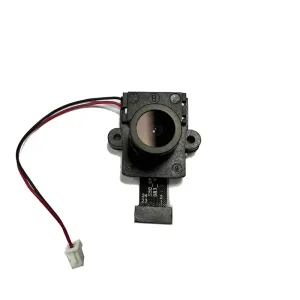
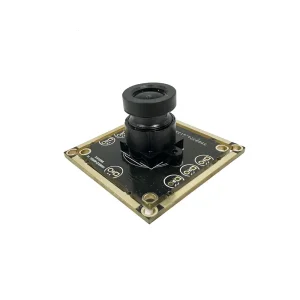
High-speed bottling lines now deploy high-resolution computer vision inspection systems (incorporating specialized optical sensor modules). Automated AI cameras check cap torque, seal integrity, liquid clarity, particulate contamination, and barcode accuracy at speeds exceeding 300 bottles per minute.
To align with global ESG mandates, manufacturers are pioneering ocean-bound recycled plastic bottles, plant-derived PET alternatives, and concentrated solution pouch refills that significantly diminish plastic usage and trans-oceanic freight carbon footprints.
Navigating medical device registrations, international customs, and quality management systems for seamless import.
Contact lens cleaning solutions are categorized as Class IIb Medical Devices under the European Union Medical Device Regulation (EU MDR 2017/745), Class II Medical Devices under US FDA guidelines (510k cleared), and Class III Medical Devices under China NMPA. Tier-1 exporters maintain active Technical Documentation Files (TDF), cleanroom environmental monitoring logs, and comprehensive biocompatibility portfolios according to ISO 10993 standards.
Reliable exporters provide complete documentation to ensure rapid port clearance, including Certificate of Analysis (CoA) for every production lot, Material Safety Data Sheets (MSDS), Certificate of Free Sale (CFS), and End-to-End Temperature-Controlled Shipping options. Furthermore, private label branding support includes full artwork compliance review for multi-lingual outer packaging.
How advanced optical lens manufacturing drives excellence in chemical ophthalmic clarity.
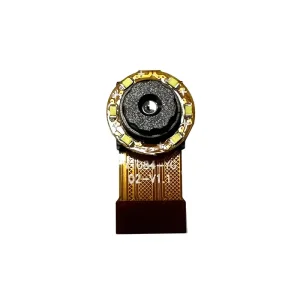
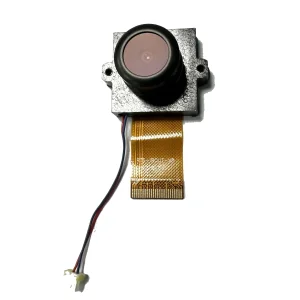
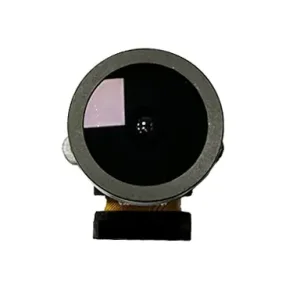
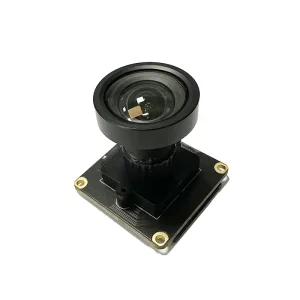
At Shen Zhen You Xiang Da Technology Co., Ltd. (YXD), our deep expertise in optical physics, precision lens modules, low-distortion camera manufacturing, and automated vision systems natively informs our understanding of surface clarity and contamination control. Just as high-definition imaging systems demand distortion-free glass, anti-reflective coatings, and dust-free assembly environments, contact lens care products require absolute fluid purity and non-striating surface wetting.
By leveraging advanced automated visual inspection equipment powered by YXD camera modules and sensor platforms, global ophthalmic filling factories achieve 100% automated quality control—verifying liquid meniscus height, bottle seal integrity, and particle-free fluid transparency before export packaging.
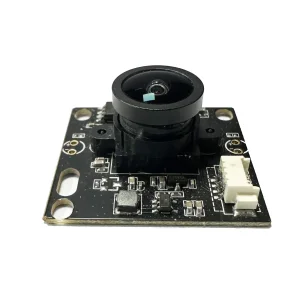
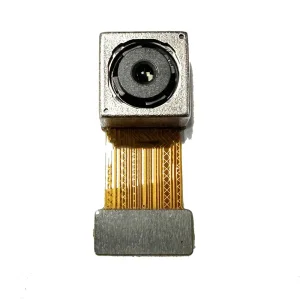
Explore our high-performance OEM camera modules engineered for intelligent surveillance, automotive recorders, and smart terminals.
Technical, regulatory, and commercial answers for B2B buyers seeking to import contact lens cleaning solutions and precision optical modules.
B2B buyers should request evidence of ISO 13485 (Medical Device Quality Management System), ISO 14729 (Antimicrobial Efficacy Stand-Alone Test), and cleanroom classification certifications (ISO 5 / Class 100). Depending on your target market, confirm US FDA 510(k) clearance, EU CE mark under MDR 2017/745, or local health authority registrations. A valid Certificate of Analysis (CoA) for each batch is mandatory.
Standard white-label bottle orders usually start at 10,000 units per bottle size (e.g., 60ml travel size, 120ml, or 360ml). For fully customized chemical formulations or specialized blow-fill-seal (BFS) container molds, MOQs range between 30,000 to 50,000 units depending on production line tooling and raw material batch sizes.
Solutions undergo accelerated stability testing (storing at 40°C / 75% RH for 6 months) and real-time stability testing under ICH guidelines to ensure a 2-year to 3-year shelf life. High-density polyethylene (HDPE) or PET bottles with induction foil seals and tamper-evident caps are specified to prevent evaporation, leakage, or environmental oxygen degradation during container shipping.
Yes. Exporters offer preservative-free unit-dose formulations, hydrogen peroxide neutralizing systems, and specialized enzymatic cleaners. Formulations engineered for Rigid Gas Permeable (RGP) lenses incorporate higher-viscosity cushioning agents (such as Hydroxypropyl Methylcellulose) and stronger lipid-cleaving surfactants without damaging lens gas permeability.
Precision vision equipment—such as the high-definition camera modules manufactured by Shen Zhen You Xiang Da Technology Co., Ltd. (YXD)—provides automated inline visual inspection on bottle filling lines. Cleanliness, optical clarity, and zero-defect quality control principles unite hardware engineering and ophthalmic manufacturing to ensure end-user safety.
Standard OEM private label projects typically take 4 to 6 weeks for packaging artwork finalization, regulatory dossier preparation, stability verification, and initial batch production. Customized formulation development and regulatory filings may extend timeline requirements to 12 - 16 weeks.