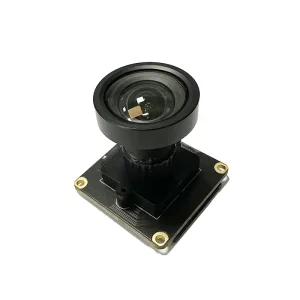
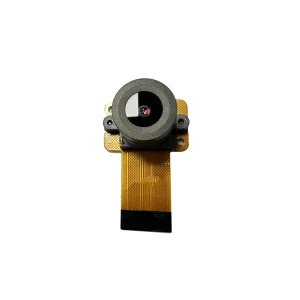
OEM/ODM MIPI, USB UVC, and DVP Optical Modules Engineered for Secure Embedded Systems
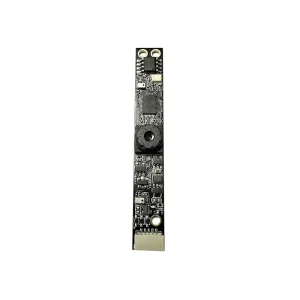
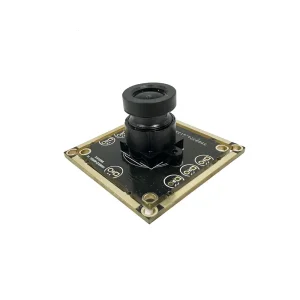
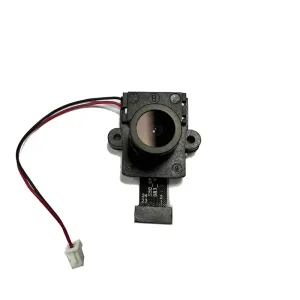
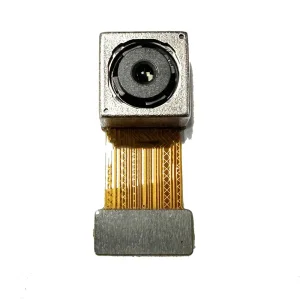
Analyzing Why Enterprise Infrastructure, Industrial Automation, and Defense Systems Prefer Offline Wired Embedded Optics
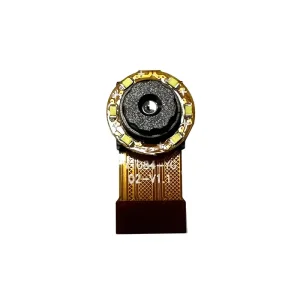
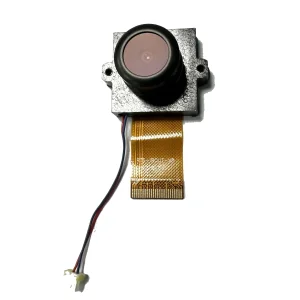
In an increasingly interconnected digital ecosystem, wireless surveillance and IoT cameras have dominated consumer markets. However, for mission-critical industrial applications, high-security corporate facilities, medical instrumentation, and confidential commercial hardware, wireless optical hardware poses catastrophic cyber vulnerabilities, unacceptable electromagnetic interference (EMI), and signal latency. This has triggered a massive global shift back toward "Kameras Ohne Wlan"—precision-engineered embedded camera modules designed strictly without Wi-Fi or wireless transmission capabilities.
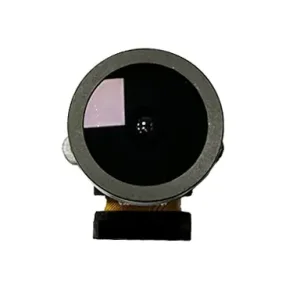
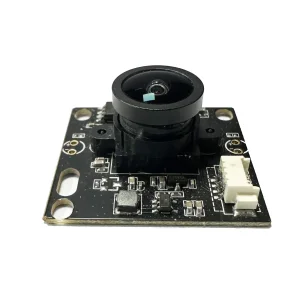
Definition of Non-Wi-Fi Vision Hardware: A "Kamera Ohne Wlan" refers to an optical camera assembly integrated into host systems via direct, air-gapped wired buses such as MIPI CSI-2, USB 2.0/3.0 UVC, DVP parallel, or LVDS. By omitting wireless transceivers (Wi-Fi, Bluetooth, Zigbee), these optics ensure 100% hardware-level cybersecurity compliance, zero RF emission, sub-millisecond video transmission latency, and uncompromised operating stability in high-density electronic environments.
Global original equipment manufacturers (OEMs) across Europe (particularly Germany, Austria, and Switzerland), North America, and East Asia are aggressively implementing non-wireless optical modules. The decision to select camera modules without Wi-Fi integration is rooted in three non-negotiable architectural mandates:
Eliminating wireless chipsets physically prevents remote IP hacking, unauthorized video interception, and botnet hijacking. Data flows strictly through physical PCB traces or shielded copper conductors.
Wi-Fi networks suffer from packet loss, jitter, and frame compression delays (100ms–500ms). Direct wired interfaces deliver raw, uncompressed video frames to host processors in under 5 milliseconds.
Industrial machinery, automotive control units, and medical diagnostic suites require minimal radio frequency noise. Non-Wi-Fi modules pass rigorous CE, FCC, and MIL-STD electromagnetic audits effortlessy.
Leveraging Precision Active Alignment, Scale Economies, and End-to-End Vertical Supply Chains at YXD Technology
As a premiere China manufacturer and global exporter of camera modules located in the heart of Shenzhen's high-tech industrial district, Shen Zhen You Xiang Da Technology Co., Ltd. (YXD) has established a formidable global advantage in optical engineering. Sourcing non-Wi-Fi camera hardware directly from an established Chinese manufacturer yields distinct operational and commercial advantages for international procurement teams:
Our Class 100 cleanroom facilities utilize 6-axis robotic Active Alignment to bond lenses to CMOS sensors, ensuring pin-sharp corner-to-corner focus optical fidelity.
Direct supply chain integration with leading sensor foundry vendors (Sony, OmniVision, SmartSens, GalaxyCore) drops total component costs by 30% to 45% vs. European packagers.
From initial FPC layout design to 3D prototype lens barrel toolings, our engineering team completes fully functional ODM customized samples within 7 to 14 business days.
Every non-Wi-Fi camera module undergoes 100% automated optical inspection (AOI), thermal shock aging (-40°C to +85°C), and high-vibration stress testing prior to global export.
Selecting the Optimal Physical Protocol for Embedded Embedded Edge Processors
When selecting a Kamera Ohne Wlan, system architects must evaluate the interface bus based on bandwidth requirements, host platform capability (e.g., Raspberry Pi, NVIDIA Jetson, Rockchip, NXP, Intel x86), physical cable length, and overall power consumption budget. Below is an engineering comparison matrix designed by YXD senior optical specialists:
| Bus Interface | Max Bandwidth | Max Cable Distance | CPU Host Overhead | Driver Requirements | Primary Industrial Application |
|---|---|---|---|---|---|
| MIPI CSI-2 (2/4-Lane) | Up to 10.0 Gbps | < 30 cm (FPC cable) | Ultra-Low (Direct DMA) | V4L2 / Kernel Driver | Embedded AI Vision, Raspberry Pi, Drones, Robotics |
| USB 2.0 UVC | 480 Mbps | Up to 5 Meters | Low (Standard UVC stack) | Driver-Free (Plug & Play) | Medical Scanners, Kiosks, Laptops, Document Cameras |
| USB 3.0 UVC | 5.0 Gbps | Up to 3 Meters | Low (Standard UVC stack) | Driver-Free (Plug & Play) | High-Speed Inspection, 4K High-FPS Machine Vision |
| DVP Parallel | 800 Mbps | < 15 cm (Trace length) | Medium (GPIO Interrupts) | Custom MCU Registers | Cost-Sensitive IoT, Smart Meters, Barcode Scanners |
To ensure total reliability when deploying non-Wi-Fi camera modules in commercial products, our optical engineers recommend analyzing the following sensor parameters:
How Enterprise OEM Customers Implement Air-Gapped Wired Optics in Mission-Critical Systems
Vehicular dashcams, tachographs, and driver monitoring systems (DMS) demand heat-resistant non-Wi-Fi 1080P Full HD modules. Direct wiring to host processors prevents RF interference with vehicle ECU systems while recording uninterrupted starlight low-light evidence.
High-security building intercoms, smart doorlocks, and facial recognition access control gates employ wide-angle non-Wi-Fi camera modules with HDR (High Dynamic Range) to capture clear faces under severe backlight conditions, preserving physical privacy compliance.
Autofocus high-definition non-Wi-Fi USB modules are embedded directly into commercial tablet computers, banking document scanners, and POS checkout counters. Fast VCM (Voice Coil Motor) autofocus ensures instant reading of small text and 2D barcodes.
Ultra-miniature 9mm non-Wi-Fi camera modules fit inside cramped medical devices, industrial pipe borescopes, and diagnostic equipment where wireless signals are strictly prohibited inside hospital environments due to medical device safety standards.
On automated assembly lines and robotic arms, MIPI CSI-2 non-Wi-Fi camera modules provide real-time position tracking, quality defect inspection, and spatial navigation with zero frame buffer delay, linked directly to edge AI processors.
Self-service ticketing machines, interactive ATM displays, and smart retail checkout systems rely on driver-free USB non-Wi-Fi camera optics for facial payment verification and customer presence detection without open wireless network security holes.
A Structured 5-Step Engineering Framework Tailored for International Hardware Engineers
Navigating enterprise camera module procurement requires strict milestone tracking, precise component sourcing, and rigorous quality validation. YXD Technology offers global buyers a seamless 5-stage engineering workflow designed to minimize development risk and accelerate time-to-market:
Submit host processor specs, targeted interface (MIPI/USB/DVP), physical dimension constraints, optical FOV, target resolution, and operating environment parameters.
YXD optical engineers match the ideal CMOS sensor (Sony STARVIS, OmniVision, etc.) with custom lens optical designs, evaluating CRA, aperture (F/#), and distortion profiles.
We execute PCB schematic layout, FPC flex cable routing, and SMT line assembly to manufacture operational engineering prototypes within 7 to 14 days.
Engineers fine-tune Image Signal Processor (ISP) parameters including auto-white balance (AWB), dynamic range exposure, noise reduction, and perform thermal aging stress tests.
Fully automated cleanroom mass manufacturing, 100% AOI optical calibration, vacuum protective packaging, and reliable global door-to-door express export shipping.
YXD guarantees multi-year component availability and supply chain stability for high-volume enterprise production runs, protecting product life cycles.
Direct Insights from YXD's Senior Camera Module Design Engineers
Explore Industrial-Grade OEM/ODM Camera Modules Preserving Original Factory Engineering Integrity